
Effects of cocaine on the brain: Cocaine is a powerful stimulant that affects both the brain and the body in profound ways. Its use can lead to immediate feelings of euphoria and increased energy, but these effects come with significant risks. Understanding how cocaine interacts with neurological functions and physical health is crucial for anyone seeking to grasp the full scope of its impact.
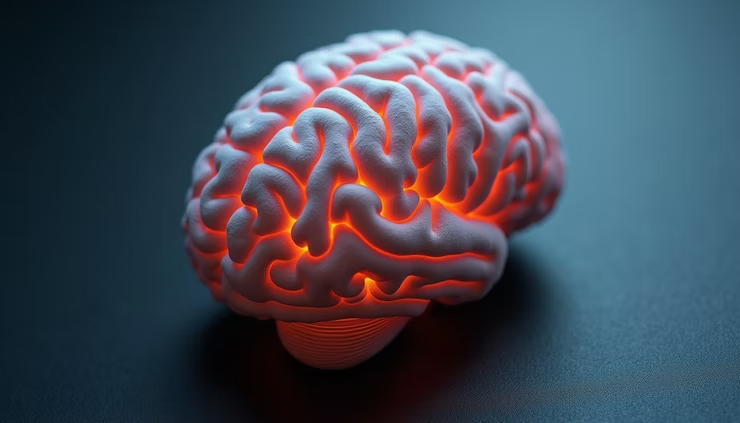
Neurological pathways affected by cocaine use
How Cocaine Affects the Brain | Effects of cocaine on the brain
Cocaine primarily targets the brain’s reward system. It increases levels of dopamine, a neurotransmitter linked to pleasure and motivation, by blocking its reabsorption. This flood of dopamine creates intense feelings of happiness and alertness. However, this artificial surge disrupts normal brain communication and can cause long-term damage.
Short-Term Neurological Effects | Effects of cocaine on the brain
- Increased alertness and energy: Users often feel more awake and confident.
- Heightened euphoria: The dopamine surge leads to intense pleasure.
- Reduced appetite: Cocaine suppresses hunger signals.
- Anxiety and paranoia: Some users experience heightened nervousness or fear.
These effects usually last from a few minutes to an hour, depending on the dose and method of use.
Long-Term Neurological Consequences | Effects of cocaine on the brain
Repeated cocaine use changes brain structure and function. Over time, the brain produces less dopamine naturally, leading to:
- Addiction: The brain craves cocaine to feel normal.
- Cognitive decline: Memory, attention, and decision-making skills suffer.
- Mood disorders: Depression and anxiety become more common.
- Increased risk of stroke: Cocaine can cause blood vessels to constrict, reducing blood flow to the brain.
These changes make quitting difficult and increase the risk of permanent brain damage.
Physical Effects of Cocaine Use | Effects of cocaine on the brain
Cocaine’s impact extends beyond the brain. It affects nearly every organ system, sometimes with severe consequences.
Cardiovascular System
Cocaine causes the heart to work harder by increasing heart rate and blood pressure. This strain can lead to:
- Heart attacks: Even in young, healthy individuals.
- Irregular heartbeats: Which can be life-threatening.
- Inflammation of the heart muscle: Leading to long-term damage.
Respiratory System
Snorting cocaine can damage nasal tissues, causing chronic nosebleeds and loss of smell. Smoking cocaine harms the lungs, leading to:
- Breathing difficulties
- Chronic cough
- Increased risk of lung infections
Other Physical Effects
- Weight loss: Due to appetite suppression.
- Gastrointestinal problems: Including abdominal pain and nausea.
- Muscle breakdown: In severe cases, leading to kidney damage.

Cardiovascular system affected by cocaine use
Recognizing the Signs of Cocaine Use
Identifying cocaine use early can help prevent serious health problems. Common signs include:
- Dilated pupils
- Increased energy and talkativeness
- Nosebleeds or runny nose (from snorting)
- Restlessness and irritability
- Sudden weight loss
If you or someone you know shows these signs, seeking professional help is important.
Resources for Understanding and Support
For those interested in learning more about substances and their effects, or seeking support, there are resources available online. While this article focuses on cocaine, it’s important to be informed about other substances as well. For example, products like pure ketamine crystal and MDMA capsules are also discussed on platforms such as WebCartels, which provide detailed information on various substances.
Final Thoughts on Cocaine’s Impact
Cocaine’s effects on the brain and body are powerful and dangerous. The initial rush masks the serious risks that come with repeated use, including addiction, cognitive decline, and life-threatening physical conditions. Understanding these risks is the first step toward making informed decisions about health and wellbeing.
If you or someone you care about is struggling with cocaine use, consider reaching out to healthcare professionals for guidance and support. Knowledge and early intervention can make a significant difference.