
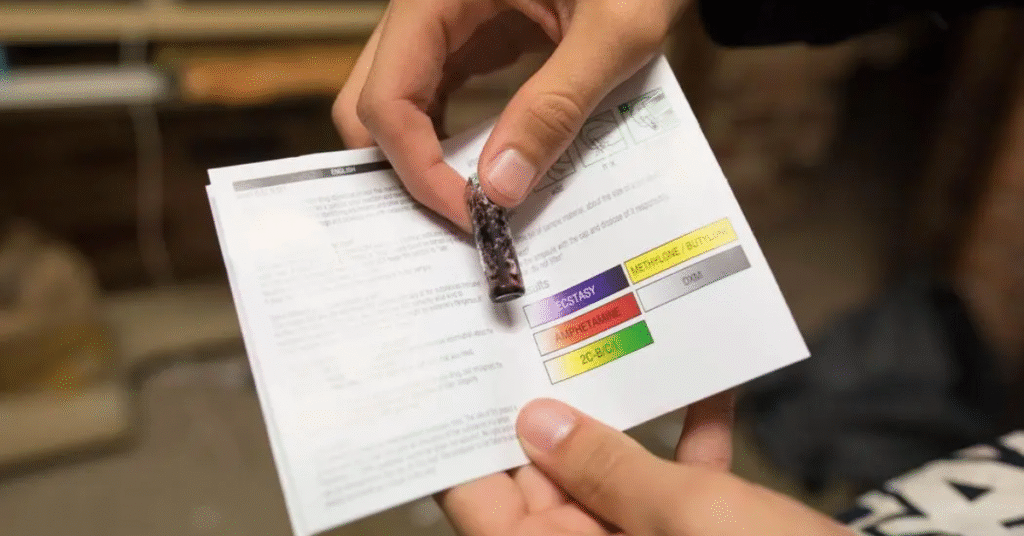
Best Place To Buy MDMA online – Empathy shapes how we connect with others, understand their feelings, and build meaningful relationships. Yet, many people struggle with emotional barriers that limit their ability to truly empathize. Recent research into MDMA, a psychoactive substance, reveals fascinating insights into how it can temporarily enhance empathy by altering brain function. This post explores the neuroscience behind MDMA and its effects on empathy, offering a clear look at what happens in the brain during these experiences.
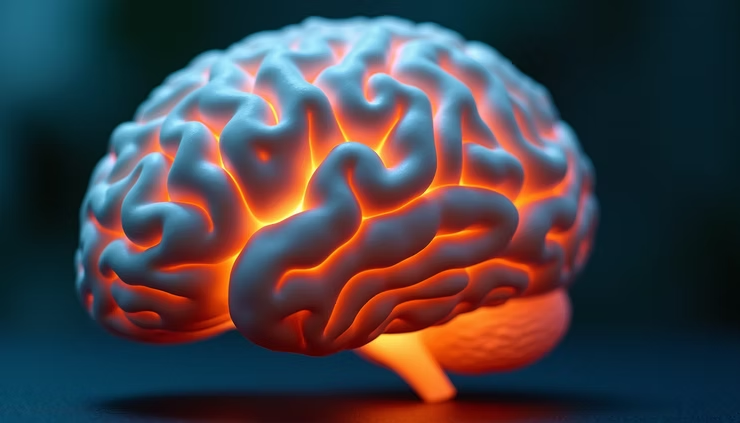
Brain model showing neural pathways involved in empathy
How MDMA Affects the Brain | Best Place To Buy MDMA online
MDMA, often known as ecstasy, interacts with the brain’s chemistry in ways that influence mood and social behavior. It primarily increases the release of three key neurotransmitters:
- Serotonin: Boosts mood and feelings of well-being.
- Dopamine: Enhances pleasure and reward.
- Norepinephrine: Raises alertness and energy.
The surge in serotonin is especially important for empathy. Serotonin helps regulate emotions and social behavior, making people feel more connected and less anxious about social interactions.
The Role of Oxytocin in Empathy | Best Place To Buy MDMA online
One of the most significant effects of MDMA is its ability to increase oxytocin levels. Oxytocin is often called the “love hormone” because it plays a crucial role in bonding and trust. Higher oxytocin levels promote:
- Greater feelings of closeness
- Increased trust between individuals
- Enhanced ability to read emotional cues
Studies show that MDMA stimulates the release of oxytocin, which helps explain why users often report feeling more empathetic and emotionally open during their experience.
Brain Regions Involved in Empathy and MDMA’s Impact | Best Place To Buy MDMA Online
Empathy involves several brain areas working together. Key regions include:
- Amygdala: Processes emotions, especially fear and threat.
- Prefrontal Cortex: Responsible for decision-making and social behavior.
- Anterior Insula: Involved in emotional awareness.
- Temporoparietal Junction: Helps understand others’ perspectives.
MDMA reduces activity in the amygdala, which lowers fear and anxiety. This reduction allows people to engage more openly with others without feeling threatened. At the same time, MDMA enhances connectivity between the prefrontal cortex and other emotional centers, improving emotional regulation and social cognition.
Practical Examples of MDMA’s Empathy Effects
In therapeutic settings, MDMA-assisted psychotherapy has shown promise for conditions like PTSD, where emotional barriers often prevent healing. Patients report:
- Feeling safe enough to discuss painful memories.
- Experiencing increased compassion for themselves and others.
- Developing stronger emotional bonds with therapists.
Outside therapy, users often describe a heightened sense of emotional connection with friends or partners, greater understanding of others’ feelings, and a reduction in social anxiety.
Limitations and Risks
While MDMA can enhance empathy temporarily, it is not without risks. The drug can cause dehydration, increased heart rate, and potential neurotoxicity if used improperly. Empathy effects fade as the drug wears off, and repeated use may impair emotional processing over time.
Researchers emphasize that MDMA should only be used under controlled conditions, especially in therapeutic contexts. The neuroscience behind MDMA offers valuable insights but does not suggest casual use as a solution for empathy challenges.
What This Means for Understanding Empathy
MDMA’s impact on the brain reveals how empathy depends on a delicate balance of neurotransmitters and brain region activity. By lowering fear and boosting social bonding chemicals, MDMA temporarily unlocks emotional openness. This understanding could lead to new treatments for social and emotional disorders and deepen our knowledge of human connection.
Exploring the neuroscience behind MDMA experiences helps us appreciate the complex biology of empathy and the potential for science to support emotional growth.