
How Magic Mushrooms Affect the Brain – Psilocybin, the active compound found in certain mushrooms, has attracted growing attention for its effects on the brain and potential therapeutic uses. Understanding how psilocybin interacts with neural circuits reveals insights into consciousness, perception, and mental health. This article explores the neuroscience behind psilocybin, explaining its impact on brain function and what current research suggests about its potential benefits and risks.
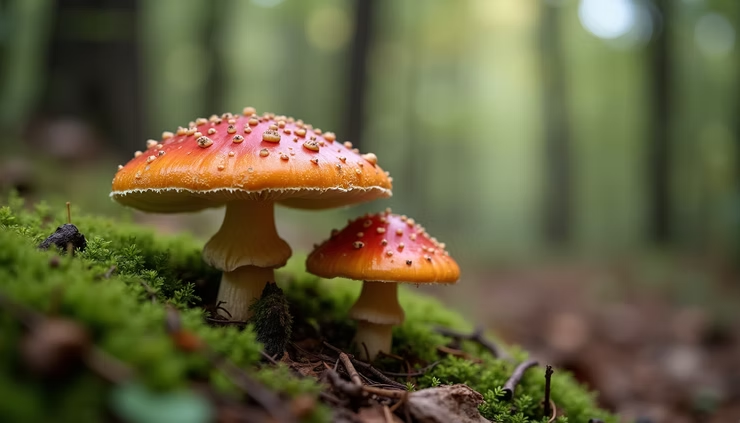
!Close-up view of psilocybin mushroom cap with detailed texture
How Psilocybin Works in the Brain | How Magic Mushrooms Affect the Brain
Psilocybin is a prodrug, meaning it converts into an active form called psilocin once ingested. Psilocin closely resembles serotonin, a key neurotransmitter involved in mood, cognition, and perception. Because of this similarity, psilocin binds to serotonin receptors, especially the 5-HT2A receptor, which is abundant in the brain’s cortex.
This binding causes changes in brain activity, including:
- Increased connectivity between brain regions that usually do not communicate extensively
- Disruption of the default mode network (DMN), a brain network linked to self-reflection and the sense of ego
- Altered sensory processing, leading to changes in perception, such as visual and auditory hallucinations
These effects combine to produce the characteristic psychedelic experience, which can include altered time perception, enhanced emotions, and mystical-type experiences.
Brain Networks and Psilocybin’s Effects | How Magic Mushrooms Affect the Brain
The default mode network plays a central role in maintaining our sense of self and internal thought. Under the influence of psilocybin, activity in the DMN decreases, which correlates with a reduced sense of ego or self-boundaries. This phenomenon is often described as “ego dissolution,” where users report feeling connected to their surroundings or the universe.
At the same time, psilocybin increases communication between brain areas that normally operate independently. This heightened connectivity may explain the unusual thoughts and perceptions during a psychedelic experience. For example, visual areas may interact more with emotional centers, intensifying the emotional impact of what is seen.
Potential Therapeutic Benefits | How Magic Mushrooms Affect the Brain
Research into psilocybin’s therapeutic potential has expanded rapidly. Studies suggest it may help with:
- Depression: Psilocybin-assisted therapy has shown promise in reducing symptoms in treatment-resistant depression.
- Anxiety: Patients with anxiety related to terminal illness have reported relief after guided psilocybin sessions.
- Addiction: Early trials indicate psilocybin may support quitting smoking and reduce alcohol dependence.
These benefits likely stem from psilocybin’s ability to “reset” brain networks and promote psychological flexibility. The experience can help patients gain new perspectives on their thoughts and behaviors.
Risks and Considerations | How Magic Mushrooms Affect the Brain
While psilocybin shows promise, it is not without risks. The psychedelic experience can be intense and sometimes distressing, especially without proper guidance. Potential risks include:
- Anxiety or panic during the experience
- Psychological distress in people with a history of psychosis
- Unpredictable effects depending on dose and individual sensitivity
Because of these factors, psilocybin use should be approached cautiously and ideally under professional supervision.
Practical Information and Availability
For those interested in exploring psilocybin products, various forms are available, including mushroom gummies, chocolate bars, and syrups. These products offer different ways to consume psilocybin with controlled dosing. For example:
These options provide alternatives to raw mushrooms, which some users find more palatable or easier to dose.
!Eye-level view of a laboratory setup with brain imaging equipment
The Future of Psilocybin Research
Ongoing studies continue to explore how psilocybin affects brain function and its potential in medicine. Advances in brain imaging and neuroscience help clarify the mechanisms behind its effects. Researchers are also investigating microdosing, where very small amounts of psilocybin are taken regularly to enhance mood and creativity without full psychedelic effects.
As legal restrictions evolve, more clinical trials and therapeutic applications are likely to emerge. This could lead to new treatments for mental health conditions that are difficult to manage with current medications.
Summary
Psilocybin impacts the brain by interacting with serotonin receptors, altering brain network activity, and changing perception and self-awareness. These effects open possibilities for treating depression, anxiety, and addiction, but also carry risks that require careful management. Understanding the neuroscience behind psilocybin helps us appreciate its complex effects and potential as a tool for mental health.
For those curious about psilocybin products, options like gummies, chocolate bars, and syrups offer accessible ways to explore this compound responsibly. Learn more about available products and related substances at Web Cartels.