
Psilocybin Therapy For Depression: Depression and anxiety affect millions worldwide, often resisting traditional treatments. Recently, psilocybin, a naturally occurring compound found in certain mushrooms, has attracted attention for its potential to treat these mental health conditions. This blog explores how psilocybin might help people struggling with depression and anxiety, what research says, and what to consider if you are curious about this emerging option.
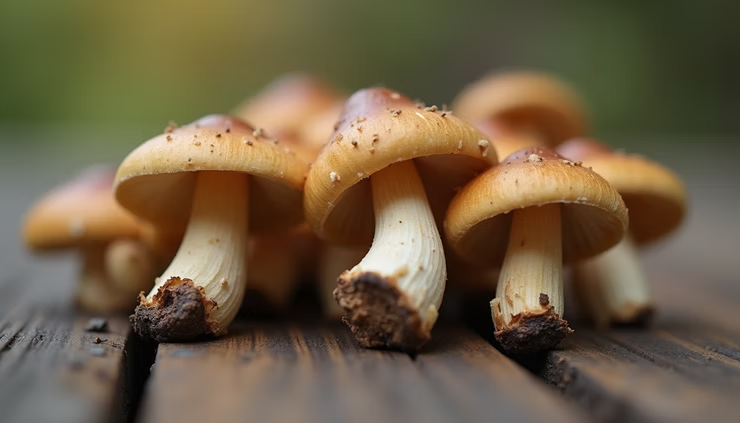
Fresh psilocybin mushrooms on wood, close-up
What Is Psilocybin and How Does It Work?
Psilocybin is a psychedelic compound found in “magic mushrooms.” When ingested, the body converts psilocybin into psilocin, which interacts with serotonin receptors in the brain. This interaction can alter perception, mood, and cognition.
Researchers believe psilocybin helps “reset” brain activity patterns linked to depression and anxiety. It may reduce negative thought loops and increase emotional openness. Unlike traditional antidepressants, which often require daily use, psilocybin therapy typically involves one or a few guided sessions.
Evidence Supporting Psilocybin for Depression and Anxiety
Several clinical studies have shown promising results:
- A 2020 study published in JAMA Psychiatry found that two doses of psilocybin, combined with psychotherapy, produced significant reductions in depression symptoms in patients with major depressive disorder. Effects lasted for at least four weeks.
- Research at Johns Hopkins University showed that psilocybin-assisted therapy helped reduce anxiety and depression in patients with life-threatening cancer diagnoses.
- Participants often report improved mood, increased feelings of connection, and reduced fear after treatment.
While these findings are encouraging, psilocybin remains a controlled substance in many countries, and more research is needed to confirm long-term safety and effectiveness. Psilocybin Therapy For Depression
How Psilocybin Therapy Differs from Traditional Treatments
Traditional antidepressants like SSRIs work by gradually increasing serotonin levels over weeks or months. Psilocybin therapy, by contrast, can produce rapid effects after just one or two sessions. This may be especially helpful for people who have not responded to other treatments. Psilocybin Therapy For Depression
Psilocybin therapy is usually conducted in a controlled setting with trained guides or therapists. The experience can be intense and requires preparation and integration afterward to maximize benefits.
Practical Considerations and Safety | Psilocybin Therapy For Depression
If you are considering psilocybin for depression or anxiety, keep these points in mind: Psilocybin Therapy For Depression
- Legal status: Psilocybin is illegal in many places. Some regions allow it for medical or research use.
- Medical supervision: Therapy should be done under professional guidance to manage risks and support emotional processing.
- Not for everyone: People with a history of psychosis or certain heart conditions should avoid psychedelics.
- Potential side effects: These can include nausea, anxiety during the experience, and temporary confusion.
For those interested in exploring psilocybin products, there are various forms available online, such as Polka Dot Mushroom Gummies, Polkadot Chocolate Bars, and Polkadot Mushroom Bars. These products are often marketed for microdosing or recreational use, but their effects and safety profiles differ from clinical therapy.
The Role of Microdosing Psilocybin | Psilocybin Therapy For Depression
Microdosing involves taking very small amounts of psilocybin, below the threshold for hallucinations, to improve mood and focus. Some users report benefits for anxiety and depression, but scientific evidence remains limited.
Products like Polkadot Syrup offer convenient microdosing options. However, microdosing should not replace professional treatment, especially for severe conditions.

Jar of psilocybin syrup on wooden table, eye-level view
What the Future Holds for Psilocybin Therapy
Interest in psilocybin is growing rapidly. Governments and health organizations are funding more research to understand its potential and risks. Some places have started legalizing or decriminalizing psilocybin for medical use.
If ongoing studies confirm its benefits, psilocybin could become a valuable tool in mental health care, offering hope to those who have struggled with depression and anxiety for years.
Final Thoughts
Psilocybin shows promise as a treatment for depression and anxiety, especially when combined with professional therapy. It offers a different approach from traditional medications, with the potential for rapid and lasting effects. However, it is not a simple cure and requires careful use under medical supervision.
If you want to learn more or explore psilocybin products, consider reputable sources and always prioritize safety and legality. For example, you can find various psilocybin-related items at WebCartels, including Tan Molly Rocks and THCA Exotic Flower OG Snow Caps.
Understanding the full potential of psilocybin will take time, but it could open new doors for mental health treatment in the near future.