
The Return of LSD in Mental Health Research: The 1960s marked a period of profound social change, and at the heart of this transformation was the psychedelic revolution. LSD, or lysergic acid diethylamide, played a crucial role in shaping the counterculture movement that challenged traditional values and inspired new ways of thinking. This blog post explores how LSD influenced the 1960s counterculture, its cultural impact, and the legacy it left behind.
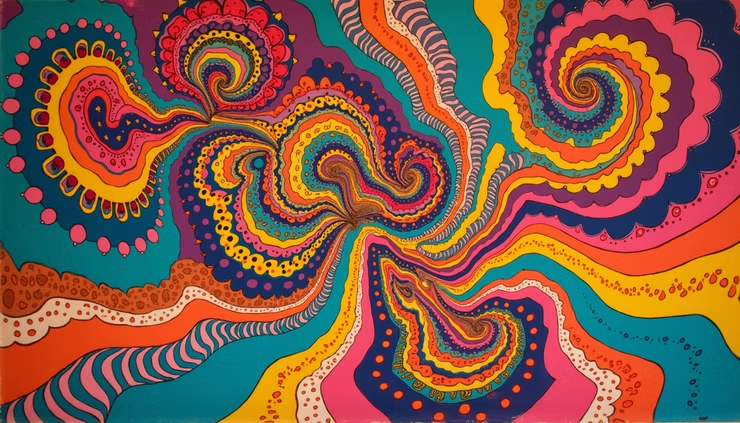
Psychedelic poster from the 1960s, symbolizing the era’s cultural shift
The Origins of LSD and Its Early Use | The Return of LSD in Mental Health Research
LSD was first synthesized in 1938 by Swiss chemist Albert Hofmann. Its powerful effects were discovered accidentally in 1943 when Hofmann ingested a small amount and experienced intense visual and sensory distortions. Initially, LSD was studied for its potential in psychiatry, with researchers exploring its use in treating mental health conditions such as alcoholism and depression.
By the 1950s, LSD had entered the public consciousness, but it was not until the 1960s that it became widely associated with the emerging counterculture. The drug’s ability to alter perception and consciousness attracted artists, musicians, and intellectuals who sought to expand their minds and challenge societal norms.
LSD and the Rise of the 1960s Counterculture | The Return of LSD in Mental Health Research
The 1960s counterculture was characterized by a rejection of mainstream values, opposition to the Vietnam War, and a desire for greater personal freedom. LSD became a symbol of this movement, offering a way to explore new dimensions of consciousness and question established beliefs.
Key Figures and Events
- Timothy Leary: A former Harvard psychologist, Leary became one of LSD’s most vocal advocates. He encouraged people to “turn on, tune in, drop out,” promoting LSD as a tool for personal and social transformation.
- The Beatles: The band openly discussed their experiences with LSD, influencing millions of fans and integrating psychedelic sounds and imagery into their music.
- The Summer of Love (1967): Thousands of young people gathered in San Francisco’s Haight-Ashbury district, embracing LSD and psychedelic culture as part of a broader movement for peace and love.
Cultural Impact | The Return of LSD in Mental Health Research
LSD influenced music, art, literature, and fashion. Psychedelic rock bands like The Grateful Dead and Jefferson Airplane created music that reflected the drug’s mind-expanding effects. Visual art embraced bright colors and surreal designs, while literature explored themes of consciousness and spirituality.
The Broader Social Effects of LSD | The Return of LSD in Mental Health Research
LSD’s impact extended beyond individual experiences. It helped fuel social movements that questioned authority and promoted civil rights, environmentalism, and alternative lifestyles. The drug encouraged a sense of community and shared experience among users, fostering a culture of openness and experimentation.
At the same time, LSD’s widespread use raised concerns about safety and legality. Governments responded with bans and strict regulations, which pushed the psychedelic movement underground but did not end its influence.
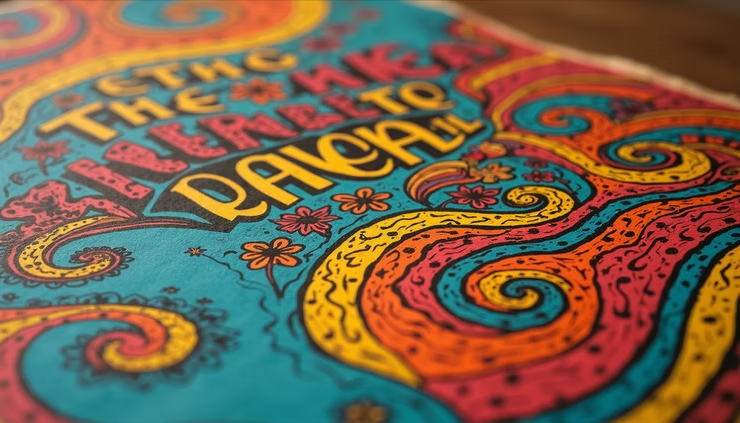
Concert poster from the 1960s featuring psychedelic art and The Grateful Dead
The Legacy of LSD and the Psychedelic Movement
The psychedelic revolution left a lasting mark on culture and society. Many ideas from the 1960s counterculture, such as environmental awareness, holistic health, and alternative spirituality, continue to influence modern life.
In recent years, research into psychedelics like LSD and related compounds has resumed, exploring their potential therapeutic benefits for mental health conditions. This renewed interest reflects a growing recognition of the complex role these substances can play in human consciousness and well-being.
For those interested in exploring the history and effects of psychedelics, there are various resources and products available online, including LSD microdosing kits, LSD gel tabs, and other related substances such as 4-AcO-DMT. These products reflect the ongoing fascination with psychedelics and their role in personal exploration.
Understanding the Psychedelic Experience
LSD produces profound changes in perception, mood, and thought. Users often report enhanced sensory experiences, altered sense of time, and feelings of unity with their surroundings. These effects can lead to deep personal insights but also carry risks, especially without proper guidance or context.
Safety and Responsibility
- Use psychedelics in a safe, controlled environment.
- Have a trusted person present if trying LSD for the first time.
- Be aware of legal restrictions in your area.
- Understand that effects vary widely between individuals.
Conclusion: The Enduring Influence of LSD on Culture
LSD played a pivotal role in shaping the 1960s counterculture, inspiring new ways of thinking and living that challenged the status quo. Its influence on music, art, and social movements helped define a generation and continues to resonate today. As research into psychedelics advances, the legacy of the 1960s psychedelic revolution offers valuable insights into the potential of these substances to expand human consciousness and promote healing.
For those curious about the broader world of psychedelics, exploring reputable sources and products can provide a deeper understanding of their history and effects. The story of LSD is not just about a drug but about a cultural shift that questioned reality and opened minds to new possibilities.