LSD shaped music and art: The 1960s marked a period of intense cultural change, with music and art reflecting new ways of thinking and experiencing the world. At the heart of this transformation was LSD, a psychedelic substance that influenced creativity and expression in profound ways. This post explores how LSD shaped the music and art of the 1960s, leaving a lasting impact on culture.
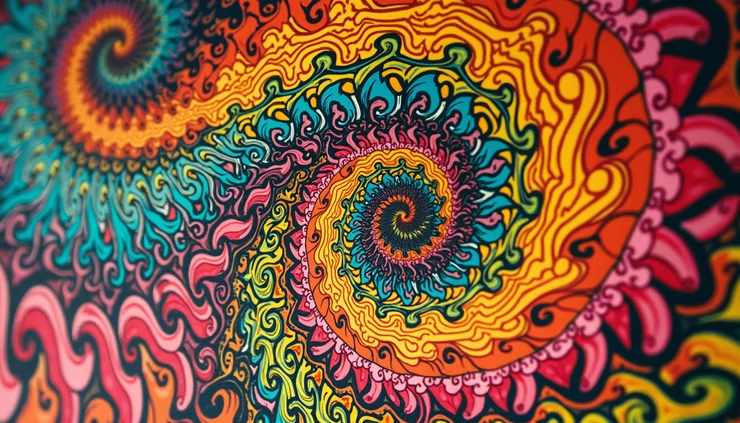
Psychedelic concert poster from the 1960s, showcasing vibrant colors and swirling patterns
LSD and the Birth of Psychedelic Music | LSD shaped music and art
LSD, or lysergic acid diethylamide, became popular among musicians who sought to expand their creative horizons. The drug’s ability to alter perception and enhance sensory experiences inspired new sounds and styles.
- The Beatles embraced LSD during the mid-1960s, which influenced albums like Revolver and Sgt. Pepper’s Lonely Hearts Club Band. Songs such as “Lucy in the Sky with Diamonds” are often linked to psychedelic experiences.
- The Grateful Dead built their reputation on extended live jams that mimicked the fluid, unpredictable nature of an LSD trip.
- Jimi Hendrix used psychedelic effects in his guitar playing, creating sounds that seemed otherworldly and innovative.
These artists and many others helped define the psychedelic rock genre, characterized by experimental sounds, unusual instruments, and lyrics that explored consciousness and spirituality.
Visual Art Transformed by Psychedelic Influence | LSD shaped music and art
LSD’s impact extended beyond music into the visual arts. Artists experimented with vivid colors, abstract forms, and surreal imagery that reflected altered states of mind.
- Poster art for concerts became a canvas for psychedelic expression, featuring bright colors, intricate patterns, and optical illusions.
- Painters like Peter Max used bold, fluorescent colors and cosmic themes that captured the era’s fascination with expanded consciousness.
- The Light and Space movement in California explored perception through installations that manipulated light and color, often inspired by psychedelic experiences.
Psychedelic art challenged traditional boundaries and encouraged viewers to see the world differently, mirroring the internal journeys sparked by LSD.
LSD’s Role in the Counterculture Movement
The 1960s counterculture embraced LSD as a tool for personal and social transformation. It symbolized rebellion against mainstream values and a search for deeper meaning.
- The Summer of Love in 1967 brought thousands to San Francisco, where music, art, and LSD converged in a communal celebration of freedom and creativity.
- Psychedelic experiences encouraged openness, empathy, and a questioning of authority, fueling movements for civil rights, peace, and environmentalism.
- LSD also influenced literature and philosophy, inspiring writers like Timothy Leary who advocated for its use in expanding human consciousness.
This cultural shift was not without controversy, as LSD’s legal status and potential risks sparked debates that continue today.
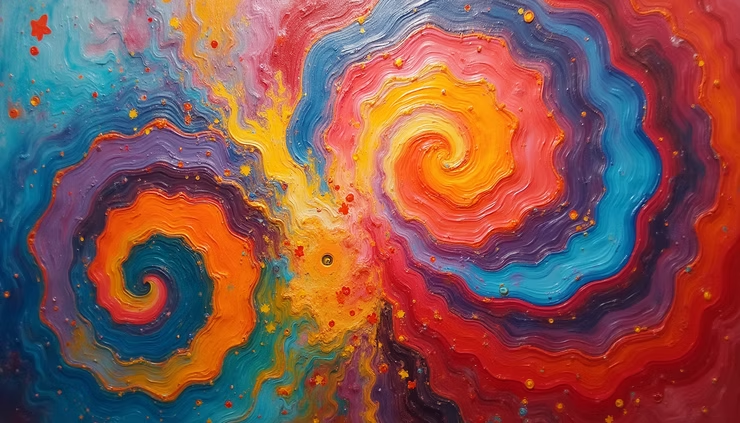
Close-up of a 1960s psychedelic painting featuring swirling shapes and bright colors
Lasting Legacy of LSD in Music and Art
Though the 1960s ended decades ago, the influence of LSD on music and art remains visible.
- Modern musicians and artists continue to draw inspiration from psychedelic aesthetics and themes.
- Festivals and events celebrate the psychedelic culture, keeping the spirit of experimentation alive.
- The renewed scientific interest in psychedelics for mental health has brought attention back to the cultural roots of substances like LSD.
The 1960s showed how a single substance could spark a wave of creativity that reshaped cultural expression and challenged perceptions.
Exploring Psychedelic Culture Today
For those interested in the history and culture of psychedelics, many resources and communities explore these themes. Whether through music, art, or personal experience, the legacy of LSD invites ongoing curiosity and discovery.
If you want to learn more about psychedelic substances and their cultural significance, you can explore a variety of products and information at Web Cartels. Their shop offers a range of items related to this culture, including:
- Freebase DMT powder
- LSD gel tabs
- LSD liquid
- LSD acid tabs
- Various MDMA capsules and pills, such as 120mg MDMA capsules, 150mg MDMA capsules, 150mg MDMA pills, and 180mg MDMA capsules.
These products reflect the ongoing interest in substances that shaped the cultural revolution of the 1960s and continue to influence creative expression today.