
Cocaine Addiction Science: Cocaine remains one of the most addictive stimulants worldwide, with a powerful grip on the brain that drives repeated use despite harmful consequences. Understanding why cocaine is so addictive requires a closer look at how it affects the brain’s chemistry and neural circuits. This article explores the neurological impact of cocaine, explaining why it creates such a strong dependence and what happens inside the brain during use.
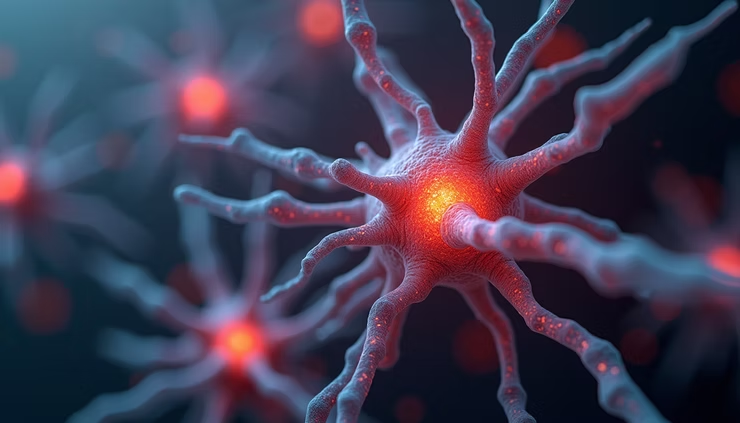
Dopamine pathways in the brain affected by cocaine
How Cocaine Affects the Brain’s Reward System | Cocaine Addiction Science
Cocaine primarily targets the brain’s reward system, which controls feelings of pleasure and motivation. It works by blocking the reuptake of dopamine, a neurotransmitter responsible for transmitting signals related to reward and pleasure. Normally, dopamine is released during enjoyable activities, then quickly reabsorbed by neurons. Cocaine prevents this reabsorption, causing dopamine to accumulate in the synapses and intensify the signal.
This flood of dopamine produces the intense euphoria users feel, reinforcing the behavior and encouraging repeated use. The brain starts to associate cocaine with pleasure so strongly that it prioritizes drug-seeking over other activities.
Key Effects on the Reward Circuit | Cocaine Addiction Science
- Increased dopamine levels create a powerful feeling of pleasure.
- Altered neural pathways strengthen drug-related memories and cravings.
- Reduced sensitivity to natural rewards, making everyday pleasures less satisfying.
This rewiring of the brain’s reward system is a major reason why cocaine addiction develops quickly and is difficult to overcome.
Impact on Other Brain Regions | Cocaine Addiction Science
Cocaine’s effects extend beyond the reward system. It also influences areas involved in decision-making, impulse control, and stress response.
- Prefrontal cortex: This region controls judgment and self-control. Cocaine use impairs its function, reducing the ability to resist cravings and make rational decisions.
- Amygdala: Responsible for emotional responses, cocaine can heighten anxiety and stress, which may trigger relapse.
- Hippocampus: Involved in memory formation, cocaine alters this area, reinforcing drug-related memories and cues.
These changes create a cycle where the brain becomes increasingly dependent on cocaine to regulate mood and behavior.
Why Cocaine Is More Addictive Than Other Stimulants | Cocaine Addiction Science
Compared to other stimulants, cocaine’s rapid onset and intense dopamine surge make it especially addictive. The drug’s effects appear within seconds when snorted or smoked, providing immediate reinforcement. This quick reward strengthens the habit faster than slower-acting drugs.
Additionally, cocaine’s impact on multiple brain regions involved in motivation, emotion, and memory creates a complex addiction pattern. Users often experience strong cravings triggered by environmental cues, stress, or emotional states, making relapse common.
Long-Term Neurological Consequences | Cocaine Addiction Science
Chronic cocaine use leads to lasting changes in brain structure and function. These include:
- Reduced dopamine receptor availability, which diminishes the brain’s ability to experience pleasure naturally.
- Cognitive deficits, such as impaired attention, memory, and decision-making.
- Increased risk of mental health disorders, including anxiety, depression, and psychosis.
These effects can persist long after stopping cocaine, complicating recovery and increasing the risk of relapse.
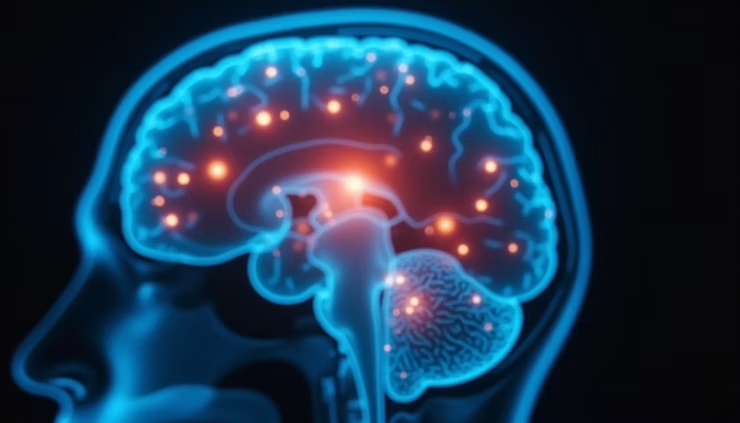
Brain scan showing regions altered by cocaine addiction
Supporting Recovery and Treatment
Understanding cocaine’s neurological impact helps guide effective treatment approaches. Successful recovery often requires addressing both the physical and psychological aspects of addiction.
- Behavioral therapies focus on retraining the brain’s reward system and improving coping skills.
- Medications are being researched to restore dopamine balance and reduce cravings.
- Support networks provide emotional support and help manage triggers.
Recovery is a gradual process, and ongoing support is crucial to prevent relapse.
Additional Resources and Information
For those interested in learning more about stimulants and their effects, or seeking products related to research and harm reduction, resources are available online. For example, WebCartels offers a variety of substances including stimulants and related products, with detailed information on each:
- Buy Peruvian Cocaine Online
- Best Place to Buy Colombian Cocaine Online
- Pure MDMA Crystals Online
- Buy Pure Ketamine Crystal
These links provide access to various substances, but it is important to approach all drug use with caution and awareness of legal and health risks.