

Purple MDMA Crystals: When Color Becomes a Statement | Where To Buy Purple MDMA crystal online
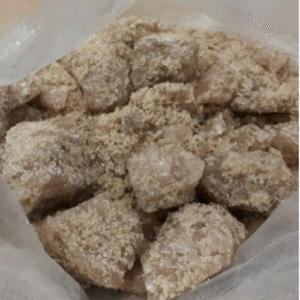
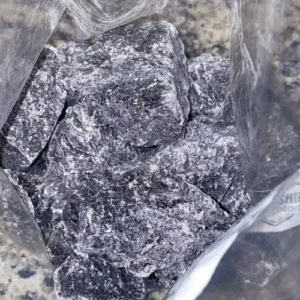
Where To Buy Purple MDMA crystal online: Purple MDMA crystals are some of the most visually captivating forms of molly. Their deep violet or lavender hue often sparks intrigue and conversation, leading to assumptions that the color reflects special synthesis, higher purity, or stronger effects.
Yet, as with most colored MDMA forms, the vivid appearance can be deceptive. The color alone reveals little about chemical composition, potency, or safety — yet it has a huge influence on perception.
Understanding purple MDMA crystals requires examining where the color comes from, why myths persist, and what is actually happening at a chemical level.
The Chemistry Behind MDMA Colors
Pure MDMA hydrochloride is typically white or colorless. Any hue — purple, blue, yellow, or pink — is usually introduced through:
-
Residual impurities left from synthesis
-
Oxidation or chemical reactions during storage
-
Intentional coloring for branding or aesthetic purposes
In short, purple crystals do not inherently indicate a superior product, but rather reflect external factors beyond the MDMA molecule itself.
How Purple Crystals Form | Where To Buy Purple MDMA crystal online
Several factors can lead to purple MDMA crystals:
-
By-products from synthesis – Some leftover chemicals may impart a violet tint.
-
Degradation and oxidation – Exposure to air, light, or moisture can subtly alter color.
-
Intentional coloring – In unregulated markets, purple may be added to differentiate batches or create a unique visual identity.
-
Mixing batches – Combining MDMA from different sources may result in a faint purple tone.
Understanding the cause is essential because color is not a reliable indicator of purity or effect.
Common Myths About Purple MDMA | Where To Buy Purple MDMA crystal online
Purple MDMA crystals are often associated with a set of recurring myths:
-
“Purple means stronger” – Color does not correlate with dosage or potency.
-
“The hue indicates boutique synthesis” – Visual uniqueness may reflect marketing, not chemistry.
-
“Purple crystals are safer or cleaner” – Impurities can be colorless or even purple; color alone cannot confirm safety.
-
“Purple enhances euphoria” – Any perceived difference is likely psychological, not chemical.
While these myths are pervasive, scientific understanding emphasizes that appearance is an unreliable guide.
The Psychology of Purple | Where To Buy Purple MDMA crystal online
Color perception has a strong impact on expectations. Purple is culturally associated with:
-
Luxury or rarity
-
Creativity and imagination
-
Mystery and uniqueness
These associations influence subjective experience, making purple MDMA feel more potent or special — even if its chemical composition is identical to white or clear crystals. This is a classic example of the placebo effect shaped by visual cues.
Variability Underneath the Hue | Where To Buy Purple MDMA crystal online
Even when purple crystals appear uniform, the actual composition can vary widely. Purple MDMA crystals may contain:
-
MDMA mixed with fillers or inert substances
-
Other psychoactive compounds
-
Partially degraded MDMA
-
Unknown contaminants
Uniform color can mask variability, making it difficult to assess potency or safety by sight alone.
Aging and Environmental Factors | Where To Buy Purple MDMA crystal online
Purple coloration can also develop over time. Light, heat, and moisture exposure can induce slight chemical changes that produce a violet tint. In some cases, the hue indicates aging or instability, not deliberate design.
This subtle visual shift can mislead consumers into assuming special quality, reinforcing myths around color.
Public Health Perspective
Purple MDMA crystals illustrate a recurring public health lesson: visual appeal can mislead perception and increase risk.
Assuming safety, potency, or purity based on color alone can contribute to:
-
Overconsumption or dosing errors
-
Exposure to unknown compounds
-
Unintended adverse reactions
Health educators emphasize that chemical uncertainty — not appearance — is the main driver of harm in unregulated markets.
Legal Reality
As with all MDMA forms, purple crystals are classified as an illegal controlled substance in most countries. Color does not affect legal classification, consequences, or risk. Possession, sale, or distribution carries the same legal weight as any other form of MDMA.
Why Purple Crystals Captivate
Purple MDMA crystals stand out because they are visually unusual and emotionally evocative. Their hue creates a sense of rarity, excitement, and identity that draws attention in social and online contexts.
However, chemistry does not change because of color. The fascination with purple illustrates how human perception can override scientific understanding.
The Bottom Line
Purple MDMA crystals are visually striking and culturally compelling, but their color reveals little about purity, potency, or safety. Purple arises from impurities, degradation, or intentional coloring, not from superior synthesis.
Relying on color alone is misleading. Awareness, careful consideration, and harm reduction principles remain the most reliable tools for understanding and navigating MDMA in any form.
Reviews
There are no reviews yet.