
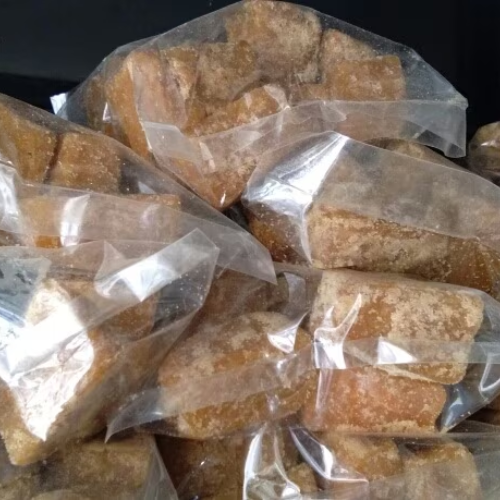
Where To Buy Brown MDMA Crystal Online: What the Color Really Means and Why It’s So Misunderstood
Where To Buy Brown MDMA Crystal Online: Brown MDMA crystal has become one of the most talked-about and misunderstood forms of MDMA in underground conversations, online forums, and word-of-mouth narratives. Often described as “raw,” “unwashed,” or “stronger,” this tan or amber-colored material has developed a reputation that far exceeds what color alone can scientifically explain.
But what does brown MDMA crystal actually indicate? Is it more potent, more dangerous, or simply different? To understand the truth, it’s necessary to look beyond surface appearance and explore chemistry, market myths, and the realities of unregulated substances.
Understanding What MDMA Is | Where To Buy Brown MDMA Crystal Online
MDMA, short for 3,4-methylenedioxymethamphetamine, is a fully synthetic psychoactive compound. In its pure crystalline salt form, MDMA hydrochloride is typically colorless or white. Any deviation from that appearance is usually due to factors unrelated to the core molecule itself.
This is a critical point often missed in casual discussions: MDMA does not have a “natural” or “raw” state. Every form of MDMA is the result of chemical synthesis, not extraction from plants or minerals.
Why Brown MDMA Crystal Exists | Where To Buy Brown MDMA Crystal Online
Brown MDMA crystal typically gets its color from impurities or chemical by-products that remain after synthesis. These can be introduced at multiple stages, including:
-
Incomplete purification or filtration
-
Residual precursor compounds
-
Oxidation caused by air, heat, or light
-
Environmental contamination during handling or storage
The brown, tan, or amber coloration is not a controlled feature. It is a side effect of inconsistent production and lack of quality control.
The Myth of “Brown Means Stronger” | Where To Buy Brown MDMA Crystal Online
One of the most persistent myths surrounding brown MDMA crystal is that darker color equals higher potency. This belief is widespread — and incorrect.
Potency depends on how much MDMA is present, not on what color the crystal happens to be. A white or clear crystal can contain more MDMA than a brown one, and vice versa. Color alone offers no reliable information about concentration or strength.
In fact, brown coloration often signals the opposite of what people assume: the presence of additional substances that dilute or interfere with MDMA’s effects.
Marketing, Storytelling, and Street Narratives | Where To Buy Brown MDMA Crystal Online
In unregulated markets, storytelling often replaces evidence. Terms like “raw,” “full-spectrum,” or “straight from the lab” are used to create perceived value, even when they have no chemical basis.
Brown MDMA crystal has benefited from this narrative effect. Its unusual appearance makes it easier to brand as rare or superior, especially when compared to more familiar white crystals.
This phenomenon isn’t unique to MDMA — similar myths exist around the color of many illicit substances, where visual differences are mistakenly equated with quality.
What Color Can — and Can’t — Tell You | Where To Buy Brown MDMA Crystal Online
Color can suggest that something is different, but it cannot explain how or why in a meaningful way. Brown MDMA crystal may indicate:
-
Incomplete refinement
-
Chemical residues
-
Degradation over time
What it cannot reliably indicate:
-
Purity
-
Safety
-
Dosage
-
Authenticity
Two brown crystals can have completely different chemical profiles. One may contain MDMA alongside relatively inert by-products, while another may contain unexpected compounds that significantly alter effects or risks.
Variability and Unpredictability
One of the biggest concerns surrounding brown MDMA crystal is inconsistency. Without standardized production or testing, each batch can differ widely from the last.
This variability increases uncertainty, which is a major driver of adverse outcomes. Unpredictable substances make it harder for individuals to understand how their bodies might react, increasing the likelihood of negative physical or psychological responses.
From a public health perspective, unpredictability is often more dangerous than strength alone.
Brown MDMA and Degradation Over Time
Color changes don’t always happen during synthesis. MDMA can darken due to oxidation or environmental exposure, especially when stored improperly.
Factors that may contribute to browning over time include:
-
Heat
-
Moisture
-
Light exposure
-
Contact with reactive materials
In these cases, the brown color may indicate chemical breakdown, which can subtly or significantly alter the substance’s effects.
Legal and Health Context
Regardless of color or form, MDMA is classified as an illegal controlled substance in most countries. Legal consequences apply equally to white, clear, or brown crystal.
Health authorities consistently warn that unregulated substances pose elevated risks due to lack of labeling, dosage information, and quality assurance. Color-based assumptions often worsen these risks by creating false confidence.
Why the Fascination Persists
Brown MDMA crystal continues to attract attention because humans are wired to look for visual shortcuts. Color feels like a clue — something tangible in an otherwise opaque market.
But chemistry doesn’t work that way. Molecules don’t communicate their properties through aesthetics, and the belief that they do is a misunderstanding reinforced by rumor, repetition, and marketing language.
The Bottom Line
Brown MDMA crystal is not inherently stronger, purer, or more “authentic” than other forms. Its color simply reflects chemical history and handling, not quality.
The fascination with brown MDMA crystal reveals more about how myths spread in unregulated environments than it does about the substance itself. Understanding this distinction is essential for cutting through misinformation and recognizing why appearance alone is one of the least reliable indicators of what something truly contains.

Reviews
There are no reviews yet.